Cashless Canteen System
Schools are rapidly adopting cashless canteen systems to improve efficiency, reduce cash handling problems, and provide better transparency for parents and school management. A modern cashless canteen uses RFID cards, smart ID cards, biometric systems, or mobile payments to replace physical cash transactions inside school cafeterias.
With increasing focus on automation and student safety, schools now prefer digital payment systems that make cafeteria operations faster, safer, and more organized.
Problems with Traditional School Canteens
Many schools still operate using manual cash collection methods. While this system may seem simple, it creates several operational and financial challenges.
1. Cash Leakage & Theft
Handling physical cash daily increases the chances of money loss, theft, or accounting mismatches. Small leakages over time can create significant financial losses for schools.
2. Long Queues During Break Time
Manual billing takes time. Students often spend most of their lunch break waiting in lines, leading to crowd management issues and reduced service efficiency.
3. No Expense Tracking for Parents
Parents usually have no visibility into what their children purchase at school canteens. This creates concerns related to unhealthy spending and unnecessary purchases.
4. Manual Billing Errors
Human errors in billing, inventory management, and daily sales reports are common in traditional canteen systems. This affects operational accuracy and reporting.
5. Inventory Mismanagement
Without automated inventory tracking, schools may face food wastage, stock shortages, or over-purchasing of products.
Solution: Cashless Canteen System
A cashless canteen system solves these problems by digitizing the entire cafeteria management process.
Key Features of a Cashless School Canteen
- Smart Card / RFID Based Payments
- Mobile Payment Integration
- Fast Automatic Billing
- Parent Wallet Recharge System
- Daily Spending Limits
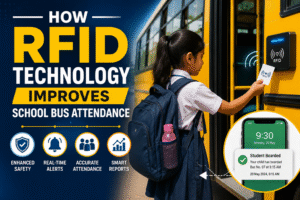
- Real-Time Purchase Notifications
- Inventory Management Integration
- Detailed Reports & Analytics
Students can simply tap their RFID card or scan their ID to make payments instantly. This significantly reduces waiting time and improves cafeteria operations.
How Cashless Canteens Save Money
One of the biggest reasons schools are moving toward cashless canteen systems is the financial benefit.
| Factor | Impact |
|---|---|
| Theft Reduction | 5–10% savings |
| Faster Billing | 2x operational efficiency |
| Inventory Control | Up to 15% less wastage |
| Automated Reports | Reduced accounting errors |
| Less Manual Work | Lower administrative costs |
Schools can recover the investment cost quickly because operational savings begin immediately after implementation.
Benefits for Parents
Parents also benefit from a cashless school canteen system.
Real-Time Visibility
Parents can monitor what their children purchase daily.
Better Spending Control
Schools can set spending limits or restrict unhealthy food purchases.
Secure Transactions
No need for students to carry physical cash, reducing chances of loss or theft.
Easy Online Recharge
Parents can recharge student wallets online using UPI, cards, or mobile banking.
Benefits for School Management
For school administrators, digital canteen systems improve overall operational control.
- Accurate sales reports
- Faster reconciliation
- Reduced staff dependency
- Better inventory planning
- Improved student experience
- Enhanced financial transparency
These systems also help schools present a more modern and technology-driven environment.
Why Cashless Canteens Are the Future
As schools continue adopting smart campus technologies, cashless canteen systems are becoming an essential part of modern school infrastructure. They improve operational efficiency, enhance student convenience, and create a transparent ecosystem for parents and administrators.
Schools investing in digital cafeteria solutions today are preparing for a safer, smarter, and more efficient future.
FAQ
Q: Is a cashless canteen system expensive?
👉 No. Most schools achieve ROI within 2–3 months through reduced theft, better inventory control, and faster operations.
Q: Can parents track student purchases?
👉 Yes. Parents can receive real-time notifications and view transaction history through the system.
Q: Is RFID payment safe for students?
👉 Yes. RFID and smart card systems are secure, fast, and widely used in schools worldwide.
Q: Can schools set spending limits?
👉 Absolutely. Schools and parents can define daily or weekly spending limits for students.
Conclusion
A cashless canteen system is no longer just a convenience — it has become a necessity for modern schools. From reducing financial leakage to improving operational efficiency and parent transparency, the benefits are clear.
Schools adopting cashless cafeteria technology can save money, improve student experience, and build a smarter campus environment for the future.