Digital Wallets for Educational Campuses are transforming the way schools, colleges, universities, and training institutes manage payments and campus services. As educational institutions embrace digital transformation, traditional cash-based transactions are being replaced with secure, contactless, and intelligent payment solutions.
A digital wallet enables students, teachers, staff members, and visitors to make quick and secure payments using RFID cards, NFC cards, QR codes, mobile applications, or biometric authentication. From purchasing meals in the cafeteria to paying library fines, printing documents, accessing transportation services, or entering restricted areas, everything becomes faster and more efficient through a single digital platform.
Modern campuses require solutions that improve convenience while reducing operational complexity. Digital Wallets for Educational Campuses help institutions streamline financial management, enhance campus security, minimize cash handling, and provide real-time reporting for administrators.
What Are Digital Wallets for Educational Campuses?
Digital Wallets for Educational Campuses are cashless payment systems designed specifically for educational institutions. Instead of carrying cash, students and staff use a smart ID card, NFC-enabled card, RFID card, QR code, or mobile application linked to a prepaid wallet.
The wallet can be recharged online through UPI, debit cards, credit cards, internet banking, or campus recharge centers. Every transaction is recorded instantly, allowing administrators and parents to monitor usage in real time.
These solutions integrate seamlessly with:
- Student ID Cards
- Attendance Management
- Library Management
- Hostel Management
- School Transportation
- Cafeteria Billing
- Stationery Shops
- Campus Stores
- Access Control
- Event Registration
Why Educational Institutions Are Going Cashless
Educational institutions are rapidly adopting Digital Wallets for Educational Campuses because they offer significant advantages over traditional cash-based systems.
Some of the major reasons include:
- Faster transactions
- Improved student safety
- Reduced cash handling
- Better financial transparency
- Contactless payment experience
- Simplified administration
- Enhanced reporting
- Digital records for every transaction
As campuses continue to grow, digital payment solutions have become an essential component of smart campus infrastructure.
10 Powerful Benefits of Digital Wallets for Educational Campuses
1. Cashless Transactions Across the Campus
One of the biggest advantages of Digital Wallets for Educational Campuses is the ability to eliminate cash transactions. Students can make payments for meals, books, transport, hostel fees, photocopy services, and other campus facilities without carrying cash.
Cashless payments reduce delays, improve convenience, and create a safer campus environment.
2. Enhanced Security
Handling cash always involves risks such as theft, loss, or fraud. Digital wallets use encrypted payment technology, making transactions secure and traceable.
Institutions can also block lost cards immediately and transfer balances to new cards, minimizing financial risks.
3. Faster Payments and Shorter Queues
Long queues at cafeterias and campus stores can waste valuable academic time.
With Digital Wallets for Educational Campuses, payments are completed within seconds through NFC or RFID technology. Students simply tap their cards or mobile phones to complete transactions instantly.
4. Better Financial Transparency
Every transaction is automatically recorded.
Administrators can generate reports for:
- Daily collections
- Student spending
- Recharge history
- Department-wise reports
- Vendor settlements
Parents can also monitor their children’s spending through dedicated portals or mobile applications.
5. Simplified Campus Administration
Managing multiple payment systems can be challenging.
A digital wallet integrates all campus services into one centralized platform, reducing paperwork and manual accounting while improving operational efficiency.
6. Contactless and Hygienic Payments
Contactless technology has become increasingly important in educational institutions.
Students can simply tap their NFC card or mobile wallet without exchanging cash, creating a faster and more hygienic payment experience.
7. Integration with Attendance and Access Control
Many institutions combine Digital Wallets for Educational Campuses with attendance management and access control systems.
A single smart ID card can:
- Mark attendance
- Open authorized doors
- Borrow library books
- Purchase meals
- Access hostel facilities
- Make campus payments
This reduces the need for multiple cards and simplifies campus operations.
8. Real-Time Notifications
Parents and administrators receive instant notifications whenever transactions occur.
Notifications may include:
- Wallet recharge
- Cafeteria purchases
- Transport payments
- Library fines
- Attendance records
This improves transparency and communication.
9. Better Budget Control for Students
Prepaid digital wallets help students manage expenses more effectively.
Parents can:
- Set spending limits
- Recharge remotely
- Monitor transaction history
- Restrict unnecessary purchases
This encourages responsible spending habits.
10. Supports Smart Campus Digital Transformation
Educational institutions are investing in smart campus initiatives.
Digital Wallets for Educational Campuses support digital transformation by integrating payment systems with cloud dashboards, reporting tools, attendance management, transportation, hostel management, and campus analytics.
This creates a connected and intelligent campus ecosystem.
Applications of Digital Wallets in Educational Campuses
Digital wallets can be used across various departments, including:
School and College Cafeterias
Students pay instantly without cash, reducing waiting time.
Campus Libraries
Pay overdue fines, printing charges, and book replacement fees digitally.
Transportation
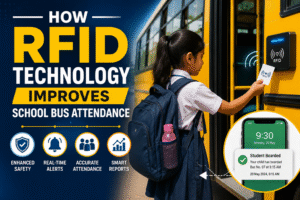
Students can pay bus fees and validate travel using RFID-enabled cards.
Hostel Management
Manage meal plans, laundry payments, room access, and hostel services.
Campus Stores
Purchase stationery, uniforms, books, and merchandise using prepaid balances.
Printing Services
Students pay for printing and photocopying without cash.
Event Registration
Register and pay for seminars, workshops, competitions, and campus events digitally.
Visitor Management
Temporary digital wallets can be issued to visitors for cafeteria or parking services.
Why Choose BSD Infotech?
BSD Infotech provides comprehensive Digital Wallets for Educational Campuses designed to simplify campus operations and enhance the student experience.
Our solutions include:
- NFC & RFID Wallet Solutions
- Cashless Campus Platform
- Student Smart ID Cards
- Attendance Management System
- Access Control Integration
- Hostel Management
- Library Management
- Parent Mobile App
- Recharge Portal
- Cloud Dashboard
- Real-Time Reports
- Secure Payment Gateway Integration
Our scalable solutions are suitable for schools, colleges, universities, coaching institutes, and educational organizations across India.
Conclusion
The future of education is digital, and Digital Wallets for Educational Campuses are becoming an essential part of modern campus infrastructure. By replacing cash with secure digital transactions, institutions improve operational efficiency, enhance security, reduce administrative workload, and provide a seamless experience for students, staff, and parents.
Whether managing cafeteria payments, library services, transportation, attendance, or campus access, a digital wallet creates a smarter, safer, and more connected educational environment.
Educational institutions looking to embrace digital transformation should consider implementing a reliable digital wallet solution to improve convenience, transparency, and long-term operational success.
Frequently Asked Questions (FAQs)
What are Digital Wallets for Educational Campuses?
Digital wallets are cashless payment systems that allow students and staff to make secure payments using RFID cards, NFC cards, QR codes, or mobile applications.
Are digital wallets safe for schools?
Yes. They use encrypted technology, secure authentication, transaction logging, and access controls to ensure secure payments.
Can parents monitor student spending?
Yes. Parents can view transaction history, recharge wallets remotely, and receive real-time spending notifications.
Which campus services can be integrated?
Digital wallets can integrate with cafeterias, libraries, transportation, hostel management, attendance systems, access control, event registration, and campus stores.
Do digital wallets support online recharge?
Yes. Wallets can be recharged through UPI, credit cards, debit cards, internet banking, and online payment gateways.