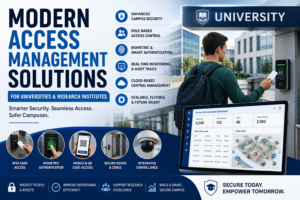
Cashless Systems have become one of the most reliable ways for businesses, educational institutions, healthcare organizations, retailers, and government agencies to improve financial security and accountability. By replacing traditional cash payments with digital transactions, Cashless Systems reduce fraud, provide complete transaction records, and increase transparency across every payment process.
As digital payments continue to grow, organizations are adopting Cashless Systems to streamline operations while protecting sensitive financial information.
What Are Cashless Systems?
Cashless Systems are digital payment solutions that eliminate the need for physical cash. These systems allow payments through:
- Credit Cards
- Debit Cards
- Mobile Wallets
- QR Codes
- UPI Payments
- NFC Cards
- Contactless Smart Cards
- Online Banking
Every transaction is securely recorded, making financial management easier and more transparent.
Why Businesses Are Switching to Cashless Systems
Modern organizations require secure, fast, and traceable payment methods. Cashless Systems provide:
- Faster transactions
- Reduced cash handling
- Better financial reporting
- Lower operational costs
- Improved customer experience
- Higher payment security
These advantages make digital payment systems the preferred choice for businesses worldwide.
How Cashless Systems Prevent Fraud
One of the biggest advantages of Cashless Systems is fraud prevention.
Secure Authentication
Most Cashless Systems require PIN verification, biometrics, OTP authentication, or encrypted payment authorization before processing transactions.
Complete Transaction Records
Every payment generates a digital receipt that cannot be easily altered. This helps organizations monitor every transaction.
Reduced Cash Theft
Without physical cash, the risks of theft, counterfeit currency, and employee cash manipulation are significantly reduced.
Real-Time Monitoring
Businesses can instantly monitor transactions and identify suspicious activities before they become major problems.
Encrypted Payment Processing
Modern Cashless Systems use advanced encryption technologies that protect payment information from cyber threats.
How Cashless Systems Improve Transparency
Transparency is essential for businesses, schools, hospitals, and government organizations.
Accurate Financial Records
Every payment is automatically recorded in digital databases.
Easy Auditing
Auditors can quickly verify transactions without manually counting cash.
Better Accountability
Digital payment records reduce disputes between customers and businesses.
Real-Time Reporting
Managers receive instant financial reports that help improve decision-making.
Regulatory Compliance
Digital records simplify tax filing and financial compliance requirements.
Key Benefits of Cashless Systems
Implementing Cashless Systems offers numerous benefits:
- Better fraud prevention
- Increased financial transparency
- Faster payment processing
- Reduced paperwork
- Improved customer convenience
- Lower operational costs
- Better inventory management
- Secure online transactions
- Easy reconciliation
- Enhanced business efficiency
Industries Using Cashless Systems
Many industries rely on Cashless Systems, including:
- Retail Stores
- Educational Institutions
- Hospitals
- Government Offices
- Restaurants
- Hotels
- Corporate Offices
- Transportation Services
- Event Management
- Banking and Financial Services
Best Practices for Secure Cashless Systems
Organizations should follow these practices:
- Use encrypted payment gateways.
- Enable multi-factor authentication.
- Regularly update payment software.
- Train employees on cybersecurity.
- Monitor transactions continuously.
- Perform regular security audits.
- Maintain secure backups of transaction records.
Conclusion
Cashless Systems are transforming the way organizations manage payments by reducing fraud, improving transparency, and increasing operational efficiency. With secure authentication, encrypted transactions, and complete digital records, Cashless Systems provide businesses with greater financial control while enhancing customer trust.
As digital payments continue to evolve, adopting reliable Cashless Systems will become increasingly important for organizations looking to improve security, accountability, and long-term growth.