Multi-User Permission Management for High-Security Laboratories
Multi-User Permission Management is one of the most important security requirements in modern high-security laboratories. Whether it is a pharmaceutical research facility, biotechnology laboratory, defense research center, or healthcare testing laboratory, controlling access to sensitive resources is essential.
High-security laboratories often handle confidential research data, valuable intellectual property, hazardous materials, and expensive equipment. Without proper access controls, organizations face risks such as unauthorized access, data breaches, compliance violations, and operational disruptions.
Implementing an effective Multi-User Permission Management system ensures that only authorized individuals can access specific areas, systems, and equipment based on their roles and responsibilities.
What is Multi-User Permission Management?
Multi-User Permission Management is a security framework that allows organizations to assign different access permissions to multiple users according to their job functions and authorization levels.
Instead of granting unrestricted access to everyone, administrators can define permissions for:
- Laboratory rooms
- Research databases
- Restricted zones
- Specialized equipment
- Inventory systems
- Security applications
This approach follows the principle of least privilege, ensuring users receive only the access necessary to perform their duties.
Why High-Security Laboratories Need Multi-User Permission Management
Protection of Sensitive Research
Research laboratories invest significant resources into innovation and development. Multi-User Permission Management helps safeguard confidential data and intellectual property from unauthorized access.
Regulatory Compliance
Many laboratories must comply with strict industry regulations and security standards. Access control systems support compliance by maintaining detailed records and enforcing security policies.
Prevention of Insider Threats
Not all security risks originate externally. Restricting access according to roles minimizes the chances of accidental or intentional misuse by internal personnel.
Enhanced Accountability
Every access attempt, permission change, and user activity can be tracked, creating transparency and accountability throughout the organization.
Key Features of Multi-User Permission Management
Role-Based Access Control (RBAC)
Role-Based Access Control enables administrators to assign permissions according to predefined roles.
Examples include:
- Laboratory Administrator
- Research Scientist
- Technician
- Security Officer
- Quality Assurance Personnel
- Visitor or Contractor
Each role receives access only to the resources required for their responsibilities.
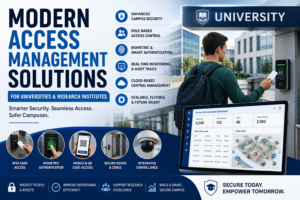
Biometric Authentication
Modern Multi-User Permission Management systems can integrate with:
- Fingerprint Readers
- Facial Recognition Devices
- Iris Scanners
- Palm Vein Readers
Biometric authentication improves security by ensuring that only verified users gain access.
Smart Card and RFID Access
Smart cards and RFID credentials provide secure, convenient authentication while maintaining detailed access records.
Time-Based Access Control
Organizations can define access schedules based on:
- Working hours
- Shift timings
- Temporary assignments
- Project-specific access requirements
Audit Trails and Activity Logs
Comprehensive logs help administrators monitor:
- Entry and exit records
- Access requests
- Permission modifications
- Equipment usage
These records are valuable for audits, investigations, and compliance reporting.
Multi-Level Authorization
Sensitive operations may require approval from multiple authorized personnel before access is granted.
Benefits of Multi-User Permission Management
1. Enhanced Laboratory Security
The primary benefit of Multi-User Permission Management is stronger protection against unauthorized access and security breaches.
2. Better Compliance Management
Organizations can demonstrate compliance with industry regulations through documented access controls and activity logs.
3. Improved Operational Efficiency
Automated permission management reduces administrative workload and minimizes human error.
4. Protection of Intellectual Property
Sensitive research findings and proprietary information remain protected from unauthorized users.
5. Increased Accountability
Detailed audit trails allow organizations to identify who accessed specific resources and when.
6. Reduced Insider Risks
Access restrictions limit opportunities for unauthorized activities within the organization.
7. Scalable Security Infrastructure
As laboratories grow, Multi-User Permission Management systems can easily accommodate new users, departments, and facilities.
Integration with Modern Security Systems
Modern Multi-User Permission Management solutions can seamlessly integrate with:
- RFID Access Control Systems
- Smart Card Readers
- Biometric Authentication Devices
- CCTV Surveillance Systems
- Visitor Management Solutions
- Laboratory Information Management Systems (LIMS)
- Identity Verification Platforms
These integrations create a centralized security ecosystem that improves monitoring, reporting, and access control.
External Resources
For additional security and compliance guidance, organizations may refer to:
- World Health Organization (WHO)
- National Institute of Standards and Technology (NIST)
- International Organization for Standardization (ISO)
BSD Infotech Solutions for Multi-User Permission Management
Organizations seeking reliable authentication and access control solutions can leverage BSD Infotech’s product portfolio to strengthen Multi-User Permission Management systems.
BSD Infotech offers:
- Biometric Fingerprint Readers
- RFID Readers and Tags
- Smart Card Readers
- NFC Readers
- Access Control Devices
- Identity Verification Solutions
These technologies can be integrated into laboratory environments to provide secure authentication, access monitoring, and role-based access control.
Recommended Internal Links
- Biometric Fingerprint Readers
- RFID Reader Solutions
- Smart Card Readers
- NFC Authentication Systems
- Access Control Systems
- Identity Verification Devices
Frequently Asked Questions (FAQs)
What is Multi-User Permission Management?
Multi-User Permission Management is a security framework that assigns access rights to users based on their roles and responsibilities within an organization.
Why is Multi-User Permission Management important for laboratories?
It protects sensitive research data, laboratory equipment, and restricted areas while improving compliance and accountability.
Can Multi-User Permission Management work with biometric authentication?
Yes. Modern systems support fingerprint readers, facial recognition devices, iris scanners, and other biometric technologies.
What industries use Multi-User Permission Management?
Pharmaceutical, biotechnology, healthcare, government, defense, chemical testing, and academic research laboratories commonly use these systems.
What are the main benefits of Multi-User Permission Management?
Benefits include enhanced security, compliance support, audit trails, operational efficiency, intellectual property protection, and reduced insider threats.
Conclusion
Multi-User Permission Management plays a critical role in securing high-security laboratories. By implementing role-based access control, biometric authentication, audit trails, and integrated security systems, organizations can protect valuable assets, maintain regulatory compliance, and improve operational efficiency.
As laboratory security challenges continue to evolve, investing in a robust Multi-User Permission Management solution is essential for safeguarding research facilities, personnel, and sensitive information. Organizations that adopt advanced access management practices today will be better prepared to meet future security and compliance requirements.