Mobile App Payments in Campuses are transforming how schools, colleges, and universities handle daily financial transactions. From cafeteria purchases and bookstore payments to transportation fees and event registrations, digital payment systems offer a smarter, faster, and safer alternative to traditional cash transactions.
Educational institutions are increasingly adopting Mobile App Payments in Campuses to improve operational efficiency, reduce cash handling, and provide a seamless payment experience for students, parents, faculty, and administrators. As campuses continue embracing digital transformation, cashless payment systems are becoming an essential part of modern education.
In this article, we’ll compare Mobile App Payments in Campuses with traditional cash transactions and explain why more educational institutions are choosing digital payment solutions.
What Are Mobile App Payments in Campuses?
Mobile App Payments in Campuses enable students, staff, and parents to make secure digital payments using smartphones or a dedicated campus mobile application. Instead of carrying cash, users can complete transactions quickly and conveniently.
Students can use mobile payment apps to:
- Pay cafeteria bills
- Purchase books and stationery
- Recharge digital wallets
- Pay transportation fees
- Register for school events
- Purchase uniforms and campus merchandise
Parents can also monitor transactions, add funds remotely, receive payment notifications, and manage spending limits for their children.
Understanding Traditional Cash Transactions
Traditional cash transactions involve exchanging physical currency for campus-related purchases and services.
Common examples include:
- Paying cash in the cafeteria
- Buying books from the campus store
- Paying examination or activity fees
- Purchasing stationery
- Paying transportation charges
While cash payments have served educational institutions for many years, they often create delays, accounting errors, and security concerns.
Mobile App Payments in Campuses vs Traditional Cash Transactions
| Feature | Mobile App Payments | Traditional Cash |
|---|---|---|
| Payment Speed | Instant | Slower |
| Security | Highly Secure | Risk of Theft |
| Record Keeping | Automatic | Manual |
| Parent Monitoring | Available | Not Available |
| Contactless Payment | Yes | No |
| Cash Handling | Not Required | Required |
| Reports | Real-Time | Manual |
| Transparency | High | Limited |
The comparison clearly shows that Mobile App Payments in Campuses offer significant advantages over traditional cash systems.
1. Faster Transactions with Mobile App Payments in Campuses
One of the biggest advantages of Mobile App Payments in Campuses is speed.
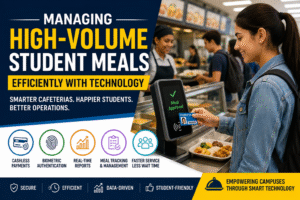
Students can complete payments within seconds by scanning a QR code, tapping a campus ID card, or using a digital wallet.
Benefits include:
- Shorter cafeteria queues
- Faster service during lunch hours
- Reduced waiting time
- Improved student experience
Quick transactions allow campus services to operate more efficiently.
2. Enhanced Security
Carrying cash exposes students to risks such as theft, loss, or accidental damage.
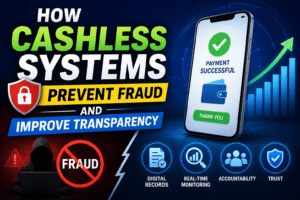
With Mobile App Payments in Campuses, transactions are protected using encrypted payment systems and secure authentication methods.
Security benefits include:
- Encrypted transactions
- Secure digital wallets
- Reduced theft risk
- Digital payment verification
- Fraud prevention
Students and parents can feel more confident knowing payments are secure.
3. Better Financial Tracking
Every payment made through Mobile App Payments in Campuses is automatically recorded.
Administrators can instantly generate reports such as:
- Daily collections
- Monthly revenue
- Student purchase history
- Wallet balances
- Refund reports
- Transaction history
Automatic reporting eliminates manual bookkeeping and improves financial accuracy.
4. Greater Convenience for Parents
Parents appreciate the flexibility provided by Mobile App Payments in Campuses.
Using the mobile application, parents can:
- Recharge wallets remotely
- Track purchases
- Receive instant notifications
- Set daily spending limits
- Monitor transaction history
This improves financial transparency while giving parents greater control over student expenses.
5. Reduced Administrative Work
Managing cash requires considerable manual effort.
Administrative teams often spend hours:
- Counting cash
- Preparing bank deposits
- Maintaining payment registers
- Reconciling accounts
- Correcting accounting errors
Mobile App Payments in Campuses automate these tasks, allowing staff to focus on improving student services instead of paperwork.
6. Contactless and Convenient Payments
Today’s students expect quick, digital experiences.
Mobile App Payments in Campuses support completely contactless payments through:
- QR Codes
- Digital Wallets
- NFC Campus Cards
- Mobile Applications
Students no longer need to carry cash, making everyday transactions simpler and more hygienic.
7. Real-Time Reporting and Transparency
School management receives instant access to financial reports through Mobile App Payments in Campuses.
These reports include:
- Daily sales
- Outstanding payments
- Wallet balances
- Revenue summaries
- Refund history
- Transaction analytics
Real-time visibility supports faster decision-making and better financial planning.
Challenges of Traditional Cash Transactions
Although cash payments remain common in some institutions, they create several operational challenges.
Longer Waiting Times
Counting money and returning change slows down payment counters.
Human Errors
Manual calculations can lead to incorrect balances and accounting mistakes.
Theft and Loss
Physical cash can be stolen, misplaced, or damaged.
Difficult Auditing
Cash transactions require manual verification and reconciliation.
Limited Parent Visibility
Parents cannot easily monitor where or how their children spend cash on campus.
Benefits of Mobile App Payments in Campuses for Students
Students enjoy several advantages, including:
- No need to carry cash
- Instant cafeteria payments
- Easy digital wallet recharge
- Secure transactions
- Digital receipts
- Faster purchases
- Better spending management
Benefits for Campus Administrators
Educational institutions benefit through:
- Reduced paperwork
- Improved accounting accuracy
- Automated reports
- Better financial transparency
- Faster payment processing
- Simplified audits
- Higher operational efficiency
Benefits for Parents
Parents gain complete financial visibility by:
- Tracking student spending
- Receiving payment notifications
- Recharging wallets online
- Setting spending limits
- Viewing purchase history
- Managing payments anytime
Environmental Benefits
Using Mobile App Payments in Campuses also supports sustainability by reducing:
- Paper receipts
- Printed payment records
- Manual documentation
- Physical registers
Paperless financial management contributes to greener and more environmentally friendly campuses.
Future of Mobile App Payments in Campuses
The future of Mobile App Payments in Campuses is becoming even smarter through advanced technologies such as:
- Artificial Intelligence (AI)
- QR Code Payments
- NFC Smart Cards
- Biometric Authentication
- Cloud-Based Payment Platforms
- Digital Student Wallets
- Real-Time Analytics
These innovations will continue improving security, convenience, and campus financial management.
Frequently Asked Questions
What are Mobile App Payments in Campuses?
Mobile App Payments in Campuses allow students, parents, and staff to make secure digital payments for cafeteria meals, transportation, bookstores, and other campus services using a mobile application.
Are Mobile App Payments in Campuses secure?
Yes. They use encrypted transactions, secure authentication, and digital records to ensure safe and reliable payments.
Can parents monitor student spending?
Yes. Parents can recharge wallets, track purchases, receive notifications, and set spending limits through the mobile app.
Why are schools adopting Mobile App Payments in Campuses?
Schools are adopting these systems to reduce cash handling, improve accounting accuracy, increase transparency, speed up transactions, and enhance the overall campus experience.
Conclusion
The comparison between Mobile App Payments in Campuses and traditional cash transactions clearly demonstrates the advantages of digital payment systems. They offer faster transactions, enhanced security, automatic record keeping, real-time reporting, and greater convenience for students, parents, and administrators.
As educational institutions continue embracing digital transformation, Mobile App Payments in Campuses are becoming the preferred solution for creating secure, efficient, and cashless campuses. Schools and colleges that invest in digital payment technology today will be better equipped to improve financial management, enhance the student experience, and support the future of smart education.