Reducing Inventory Loss and Pilferage with Smart Tracking Systems has become a top priority for businesses managing warehouses, retail stores, logistics centers, and manufacturing facilities. Inventory shrinkage caused by theft, human error, misplaced goods, and unauthorized access can significantly impact profitability.
Modern smart tracking technologies provide real-time visibility into inventory movement, helping organizations improve accuracy, reduce losses, and strengthen security.
Understanding Inventory Loss and Pilferage
Inventory loss occurs when physical stock does not match recorded inventory levels. Pilferage refers to theft or unauthorized removal of inventory by employees, customers, or external parties.
Common causes include:
- Employee theft
- Shoplifting
- Administrative errors
- Supplier fraud
- Misplaced inventory
- Poor stock management
- Unauthorized warehouse access
Implementing Reducing Inventory Loss and Pilferage with Smart Tracking Systems strategies helps businesses identify and eliminate these risks.
Why Businesses Face Inventory Shrinkage
Many organizations still rely on manual inventory tracking processes. These methods increase the likelihood of:
- Data entry mistakes
- Missing inventory records
- Delayed stock updates
- Inaccurate audits
- Lack of accountability
Without proper monitoring, businesses struggle to identify where losses occur.
How Smart Tracking Systems Work
Smart tracking systems combine advanced technologies such as:
- RFID Tags
- Barcode Scanners
- QR Codes
- Biometric Access Control
- Cloud Inventory Software
- IoT Sensors
- GPS Tracking
These technologies automatically record inventory movement and provide real-time updates.
1. Real-Time Inventory Visibility
Businesses can monitor stock levels instantly across multiple locations.
Benefits include:
- Accurate inventory counts
- Faster stock verification
- Improved forecasting
- Better customer service
2. Theft Prevention
One of the biggest advantages of Reducing Inventory Loss and Pilferage with Smart Tracking Systems is improved theft detection.
Smart systems create:
- Audit trails
- Security alerts
- Employee activity logs
- Movement tracking records
3. Improved Inventory Accuracy
Automated data capture reduces manual errors and increases inventory reliability.
4. Faster Audits
RFID and barcode technologies allow businesses to conduct inventory audits much faster than traditional methods.
5. Enhanced Accountability
Every inventory transaction is recorded, making it easier to identify discrepancies.
RFID Technology for Inventory Security
Why RFID Matters
RFID technology enables automatic identification and tracking of assets without requiring direct line-of-sight scanning.
Benefits include:
- Real-time tracking
- Bulk item scanning
- Faster inventory counts
- Reduced labor costs
- Improved security
Many businesses implementing Reducing Inventory Loss and Pilferage with Smart Tracking Systems use RFID as their primary inventory monitoring technology.
Biometric Access Control and Asset Protection
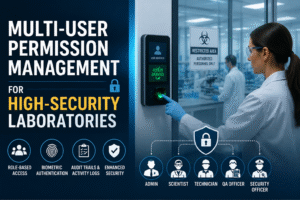
Biometric systems prevent unauthorized personnel from accessing restricted inventory areas.
Common biometric methods:
- Fingerprint Recognition
- Facial Recognition
- Iris Scanning
Benefits include:
- Improved warehouse security
- Elimination of shared passwords
- Detailed access logs
- Reduced internal theft
Best Practices for Reducing Inventory Loss
To maximize the effectiveness of smart tracking systems:
Conduct Regular Audits
Perform scheduled inventory verification to identify discrepancies early.
Restrict Access
Use biometric authentication and role-based permissions.
Train Employees
Ensure employees understand inventory procedures and security protocols.
Use Automated Alerts
Configure systems to notify managers of unusual inventory activity.
Analyze Inventory Data
Review reports regularly to identify trends and vulnerabilities.
Future Trends in Smart Inventory Management
Emerging technologies are making Reducing Inventory Loss and Pilferage with Smart Tracking Systems even more effective.
Future innovations include:
- Artificial Intelligence (AI)
- Predictive Analytics
- Blockchain Tracking
- Smart Shelves
- Advanced IoT Sensors
- Machine Learning-Based Theft Detection
These technologies will further improve inventory visibility and reduce shrinkage.
Conclusion
Reducing Inventory Loss and Pilferage with Smart Tracking Systems is essential for modern businesses seeking to protect assets, improve inventory accuracy, and enhance operational efficiency. Technologies such as RFID, biometric access control, cloud inventory management, and IoT tracking provide real-time visibility and stronger security controls.
Organizations that invest in smart inventory solutions can significantly reduce losses, improve accountability, and achieve long-term profitability.